






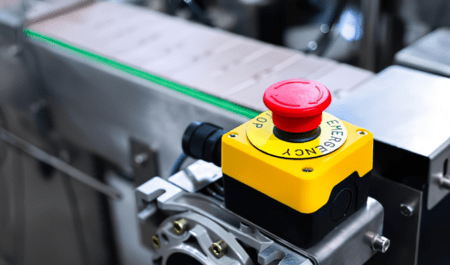
In these situations, the pressure to restore operations as quickly as possible can lead to hasty decisions. However, when dealing with components for industrial machinery, acting fast should never mean acting without technical criteria.
The Real Risk of Improvising During Production Downtime
When a machine stops working, the priority is finding a solution that allows production to resume in the shortest time possible. However, urgency can lead to errors that ultimately create new problems:- Inadequate temporary replacements: installing the first available part without verifying if the material, dimensions, or tolerances are suitable for the application.
- Incorrect material selection: using a plastic that cannot withstand mechanical loads, operating temperature, chemicals, or the hygiene demands of the working environment.
- Lack of technical validation: skipping the review of drawings, specifications, or operating conditions in order to speed up the process.
- Rebound effect: a quick-fix solution can lead to another failure in just a few days, increasing costs and extending facility downtime.
Experience shows that improvisation rarely resolves the issue permanently. In most cases, it simply postpones the problem and increases the economic impact of the incident.
When the Part Is Out of Stock
In many instances, breakdowns affect components custom-manufactured for a specific machine or facility. These are custom-machined parts, wear elements, guides, guards, brackets, or special components that cannot be purchased as standard off-the-shelf spares.
A Problem-Solving Mindset Over Reactivity
When facing an industrial emergency, companies need more than just a vendor that can manufacture quickly—they need a partner capable of analyzing the situation and providing a viable solution in the shortest time frame possible. This involves:
- Evaluating the application and actual working conditions.
- Verifying materials, tolerances, and technical specifications.
- Proposing alternatives when the original design can be improved.
- Optimizing manufacturing processes to reduce lead times without compromising quality.
- Maintaining clear communication throughout the process.
Responsiveness is not just about accelerating production. It also means making sound technical decisions that solve the problem at its root cause.
Speed Is Proven by Results
Imagine a food production line halted by the breakdown of an engineering plastic slide guide. The goal is to resume production as soon as possible, but installing a part made from an inappropriate material or neglecting key tolerances can cause a new failure in no time. That is why the best response to an emergency combines two vital elements: fast action and technical rigor.
Meeting tight deadlines is a common challenge in modern industry, but true effectiveness is not measured solely by delivery speed. It is proven when an urgently manufactured part integrates perfectly into the installation and delivers the expected performance right from day one. Because resolving an emergency isn't just about delivering fast—it's about delivering a solution that works.